Grinding Conventional Metals and Sophisticated Alloys
Understanding the Critical Differences in Precision Grinding Operations
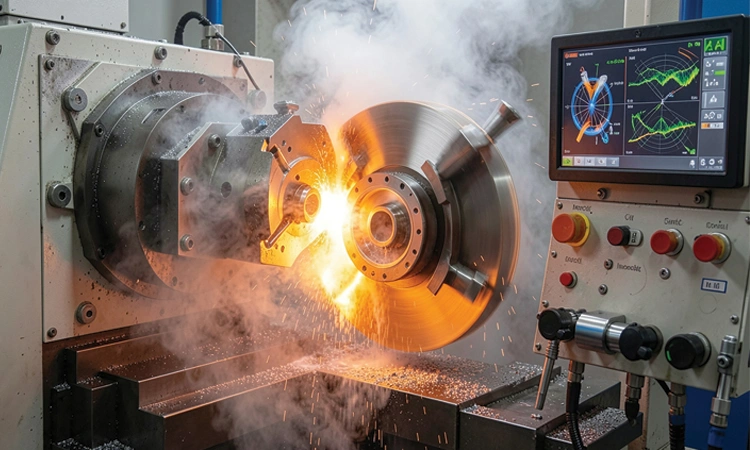
Grinding is one of the most important finishing and precision machining processes in modern manufacturing. It plays a crucial role in achieving tight tolerances, fine surface finishes, and dimensional accuracy across industries such as automotive, aerospace, medical, defense, die & mold, railways, and power generation. However, not all materials behave the same way during grinding. The differences between grinding conventional metals and sophisticated alloys are substantial, influencing machine selection, abrasive technology, coolant requirements, process parameters, and overall productivity. Conventional metals such as mild steel, cast iron, aluminum, brass, and standard alloy steels have long been processed using established grinding methods. Their machinability characteristics are well understood, and grinding them is comparatively straightforward. In contrast, sophisticated alloys – including titanium alloys, nickel-based superalloys, Inconel, Hastelloy, cobalt-chromium alloys, tungsten carbide, and advanced aerospace materials – present unique grinding challenges because of their exceptional mechanical and thermal properties.
As industries increasingly adopt advanced materials to improve strength, heat resistance, corrosion resistance, and lightweight performance, grinding technology is evolving rapidly to meet these demanding requirements.
The Growing Use of Sophisticated Alloys
Modern engineering applications demand materials capable of operating under extreme conditions. Aerospace turbines, automotive engines, medical implants, defense systems, and energy-sector equipment often function in environments involving high temperatures, corrosive conditions, intense pressure, and cyclic stress.
To withstand such conditions, manufacturers increasingly rely on sophisticated alloys that offer:
- High tensile strength
- Excellent wear resistance
- Corrosion resistance
- Heat resistance
- Fatigue resistance
- Lightweight characteristics
While these materials deliver superior performance in service, they also become significantly more difficult to grind compared to conventional metals.
This has transformed grinding from a routine finishing process into a highly engineered precision operation.
Grinding Conventional Metals
Conventional metals are generally easier to grind because they possess favorable machinability characteristics.
Mild Steel and Carbon Steel
Mild steels and standard carbon steels grind relatively easily due to their moderate hardness and predictable thermal behavior. Grinding wheels experience lower wear rates, and heat generation remains manageable under normal operating conditions.
Cast Iron
Cast iron is widely considered one of the easiest materials to grind because graphite in its structure acts as a natural lubricant and chip breaker. It produces small chips and generates comparatively lower grinding forces.
Aluminum and Non-Ferrous Metals
Aluminum and non-ferrous metals are softer and easier to remove, although they may create wheel loading issues due to material adhesion.
Standard Alloy Steels
Conventional alloy steels used in automotive and industrial applications generally allow stable grinding performance with established abrasive technologies.
For these materials, manufacturers can achieve:
- High material removal rates
- Longer wheel life
- Lower thermal stress
- Faster cycle times
- Lower grinding costs
Standard aluminum oxide or silicon carbide grinding wheels often perform effectively in such applications.
![Griding-Conventional-Metals]() Challenges in Grinding Sophisticated Alloys
Challenges in Grinding Sophisticated Alloys
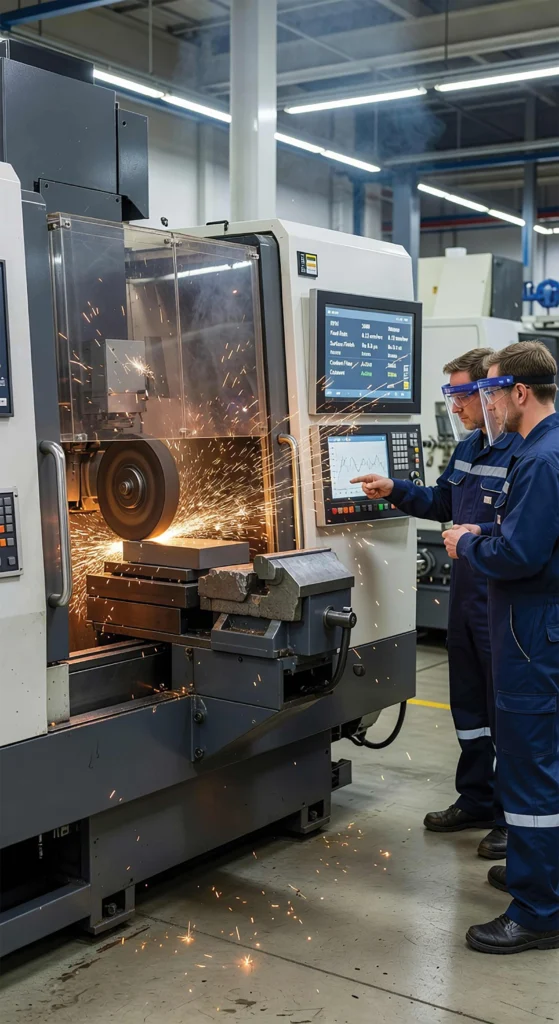 Challenges in Grinding Sophisticated Alloys
Sophisticated alloys behave very differently during grinding because of their unique physical and metallurgical properties.
High Heat Resistance
Many advanced alloys are specifically designed to retain strength at elevated temperatures. Unfortunately, this characteristic also means they resist heat dissipation during grinding.
As a result:
- Grinding temperatures rise rapidly
- Thermal damage risks increase
- Wheel wear accelerates
- Surface burns may occur
Nickel-based superalloys such as Inconel are especially notorious for generating excessive heat during grinding operations.
Low Thermal Conductivity
Materials like titanium alloys exhibit poor thermal conductivity, meaning heat remains concentrated near the grinding zone rather than dissipating into the workpiece.
This leads to:
- Localized overheating
- Surface integrity damage
- Thermal cracking
- Residual stress formation
- Rapid abrasive wear
Grinding parameters must therefore be carefully controlled.
Work Hardening Tendencies
Sophisticated alloys often work-harden during machining. As the grinding wheel engages the material, the surface layer becomes harder, increasing cutting resistance and tool wear.
This phenomenon is common in:
- Stainless steels
- Nickel alloys
- Cobalt-based alloys
Work hardening can severely reduce grinding efficiency and wheel life if improper process conditions are used.
High Strength and Toughness
Advanced aerospace and defense alloys possess exceptional mechanical strength and toughness, making material removal significantly more difficult.
Grinding such materials requires:
- Higher grinding forces
- Specialized abrasives
- Increased machine rigidity
- Optimized wheel specifications
Conventional grinding wheels may fail prematurely under these demanding conditions.
Abrasive Selection: A Major Difference
One of the most important distinctions between grinding conventional metals and sophisticated alloys lies in abrasive technology.
Conventional Abrasives
For conventional metals, standard abrasives such as:
- Aluminum oxide
- Silicon carbide
are typically sufficient for achieving good grinding performance at economical costs.
Superabrasives for Advanced Alloys
Sophisticated alloys often require high-performance abrasives such as:
- Cubic Boron Nitride (CBN)
- Diamond abrasives
- Ceramic abrasives
- These advanced abrasives provide:
- Superior hardness
- Better thermal resistance
- Higher wear resistance
- Improved cutting efficiency
CBN wheels, in particular, are widely used for grinding hardened steels and superalloys due to their ability to maintain sharp cutting edges under extreme conditions.
Diamond wheels are essential for grinding carbides and advanced ceramics.
![Grinding-Metal-Alloys]() Grinding Wheel Design Considerations
Grinding Wheel Design Considerations
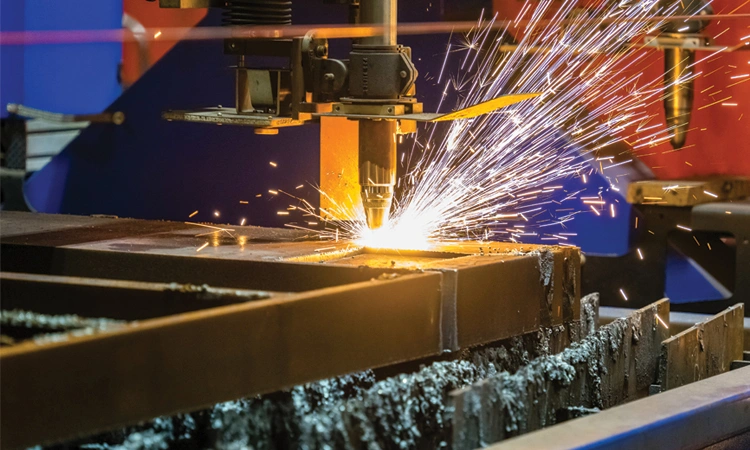 Grinding Wheel Design Considerations
Grinding wheel specifications differ significantly based on the material being processed.
Conventional Metals
Grinding conventional metals generally allows the use of:
- Standard bond systems
- Medium wheel hardness
- Conventional grain structures
Wheel loading and excessive heat generation are usually manageable.
Sophisticated Alloys
Advanced alloys require specially engineered grinding wheels featuring:
- Open grain structures
- Porous designs
- High-performance bonding systems
- Self-sharpening abrasive characteristics
These features improve coolant penetration, reduce heat buildup, and minimize wheel loading.
Modern engineered wheels are designed specifically to maintain stable grinding performance under demanding conditions.
Coolant Requirements
Coolant application becomes far more critical when grinding sophisticated alloys.
Conventional Metals
Conventional materials often tolerate moderate coolant delivery systems without major issues.
Advanced Alloys
Sophisticated alloys generate intense grinding heat and require highly efficient cooling strategies.
Advanced coolant systems provide:
- Heat dissipation
- Lubrication
- Chip removal
- Thermal damage prevention
- High-pressure coolant delivery systems are increasingly used to ensure coolant reaches the grinding interface effectively.
Inadequate cooling when grinding advanced alloys can result in:
- Surface burns
- Metallurgical damage
- Reduced fatigue life
- Dimensional instability
Coolant chemistry and filtration also become more important in maintaining process stability.
Machine Tool Requirements
Grinding sophisticated alloys places far greater demands on machine tools.
Conventional Grinding Machines
Traditional grinding machines are often adequate for processing standard steels and cast irons.
High-Performance Grinding Systems
Advanced alloy grinding requires machines with:
- Higher rigidity
- Thermal stability
- Precision spindle systems
- Advanced vibration damping
- CNC process control
- High spindle power
Even slight machine vibration can negatively affect surface integrity and dimensional accuracy when grinding aerospace alloys.
Modern CNC grinding machines with adaptive control systems are increasingly essential for maintaining consistent quality
Surface Integrity Considerations
Surface integrity is one of the most critical concerns when grinding sophisticated alloys.
Conventional Metals
Minor thermal effects or surface alterations are often manageable in conventional materials.
Advanced Alloys
In aerospace, medical, and defense applications, surface integrity directly impacts component reliability and service life.
Improper grinding can cause:
- Micro-cracks
- Residual tensile stresses
- Surface burns
- Metallurgical transformations
- Reduced fatigue resistance
Maintaining excellent surface integrity therefore requires optimized grinding parameters, wheel selection, coolant application, and machine stability.
Material Removal Rates
Grinding productivity differs significantly between conventional metals and sophisticated alloys.
Conventional Metals
Manufacturers can achieve relatively high material removal rates with stable grinding conditions.
Sophisticated Alloys
Material removal rates are often lower due to:
- Heat sensitivity
- Wheel wear concerns
- Surface integrity requirements
- Difficult machinability
Aggressive grinding conditions may damage the workpiece or dramatically shorten wheel life.
As a result, grinding advanced alloys often prioritizes process control and quality over maximum stock removal.
Automation and Digital Technologies
Modern grinding operations increasingly rely on digital technologies to manage the complexities of sophisticated alloy machining.
Advanced grinding systems now incorporate:
- Real-time process monitoring
- Acoustic emission sensors
- Adaptive control systems
- AI-based optimization
- Predictive maintenance
- Automated wheel dressing
These technologies help maintain process consistency, optimize wheel performance, and reduce operator dependency.
Automation is especially valuable in aerospace and medical manufacturing where repeatability and traceability are critical.
Sustainability Challenges
Grinding sophisticated alloys also creates sustainability challenges.
Advanced materials often require:
- Greater energy consumption
- More expensive abrasives
- Intensive coolant usage
- Frequent wheel dressing
- Manufacturers are therefore exploring sustainable grinding technologies such as:
- Minimum Quantity Lubrication (MQL)
- Dry grinding
- Eco-friendly coolants
- Energy-efficient grinding systems
- Balancing productivity, quality, and environmental responsibility remains a key industry objective.
Future Trends in Grinding Technology
The future of grinding sophisticated alloys will be shaped by ongoing innovation in abrasives, machine tools, and digital manufacturing.
Emerging developments include:
- Nano-structured abrasives
- Hybrid grinding technologies
- AI-driven grinding optimization
- Intelligent coolant systems
- Additive-manufactured grinding wheels
- Advanced sensor integration
As industries continue adopting new-generation materials, grinding technology will become increasingly specialized and data-driven.
Manufacturers capable of mastering these advanced grinding processes will gain a significant competitive advantage.
Conclusion
The differences between grinding conventional metals and sophisticated alloys are substantial and increasingly important in modern manufacturing. While conventional materials allow relatively straightforward grinding operations, advanced alloys introduce significant challenges related to heat generation, wheel wear, surface integrity, and process stability.
Successfully grinding sophisticated alloys requires advanced abrasives, precision machine tools, optimized coolant systems, intelligent process control, and deep application expertise.
As aerospace, automotive, medical, and energy industries continue demanding higher-performance materials, grinding technology must continue evolving to deliver the precision, productivity, and reliability required by next-generation manufacturing.
In this rapidly advancing industrial landscape, understanding the unique requirements of grinding sophisticated alloys is becoming essential for manufacturers striving to achieve superior quality, operational efficiency, and global competitiveness.